

Are Sod Staples suitable for sod in a high - altitude area?
As a supplier of sod staples, I've often been asked whether our products are a good fit for high - altitude areas. High - altitude regions present a unique set of environmental conditions that can significantly impact the success of sod installation, and the choice of sod staples is an important consideration in this process.
Environmental Characteristics of High - Altitude Areas
High - altitude areas typically have lower air pressure, colder temperatures, more intense sunlight, and greater temperature fluctuations between day and night compared to low - altitude regions. These factors can affect the growth and establishment of sod, as well as the performance of sod staples.
The lower air pressure at high altitudes can lead to reduced oxygen availability for plant roots. This may slow down the root growth of sod, making it more difficult for the grass to anchor itself firmly in the soil. Colder temperatures can also inhibit root development and may cause the soil to freeze, which can damage the sod and the staples holding it in place.
The intense sunlight at high altitudes can cause the sod to dry out more quickly, increasing the risk of desiccation. Moreover, the large temperature differences between day and night can subject the sod and the staples to thermal stress, potentially leading to loosening or breakage of the staples over time.
Advantages of Using Sod Staples in High - Altitude Areas
Despite these challenges, sod staples can still offer several advantages in high - altitude areas.
Firstly, sod staples help to secure the sod firmly to the soil surface. In high - altitude areas, strong winds are common, and without proper anchoring, the sod can be easily lifted and displaced. Sod staples prevent this from happening, ensuring that the sod remains in place during the critical establishment period.
Secondly, they promote better soil - sod contact. By pressing the sod tightly against the soil, sod staples allow the roots to penetrate the soil more effectively. This is crucial in high - altitude areas where root growth may be slower due to the cold and low - oxygen environment. Improved soil - sod contact also helps the sod to absorb water and nutrients more efficiently, enhancing its chances of survival.

Considerations for Sod Staple Selection in High - Altitude Areas
When choosing sod staples for high - altitude areas, several factors need to be taken into account.
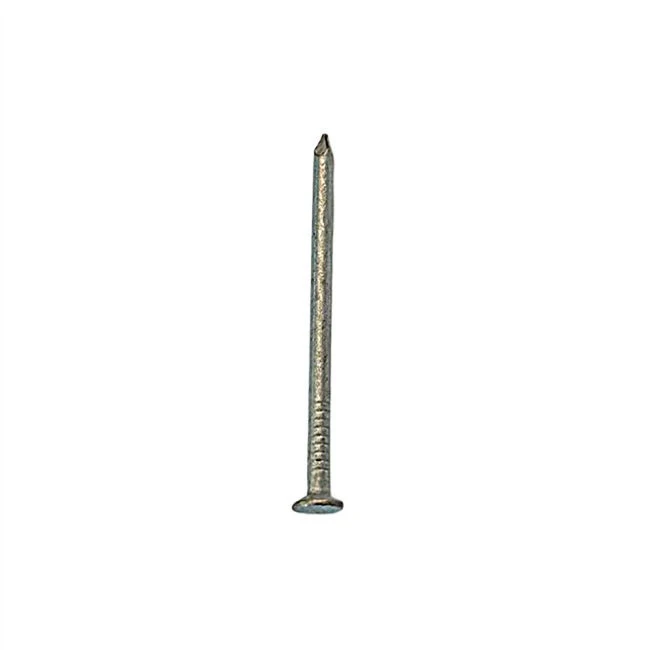
Material: The material of the sod staples is of utmost importance. Galvanized iron nails are a popular choice. Galvanization provides a protective layer that prevents rusting, which is essential in high - altitude areas where the soil may be more acidic or where moisture can cause corrosion. You can find high - quality Galvanized Iron Nail on our website.
Design: The design of the sod staples should be able to withstand the unique conditions of high - altitude areas. U - type nails are often a good option. Their shape provides a wider anchoring base, which helps to distribute the stress evenly and reduces the risk of the staples being pulled out. Check out our U Type Nail for more details.
Length and Thickness: The length and thickness of the sod staples should be appropriate for the soil type and the thickness of the sod. In high - altitude areas, where the soil may be more compact or rocky, longer and thicker staples may be required to ensure a secure hold.
Installation Tips for Sod Staples in High - Altitude Areas
Proper installation of sod staples is crucial for their effectiveness in high - altitude areas.
Timing: It's best to install sod and sod staples during the warmer parts of the day when the soil is more workable. Avoid installing them when the soil is frozen, as this can damage the staples and the sod.
Spacing: The spacing between sod staples should be carefully considered. In high - altitude areas, it may be necessary to use a closer spacing to provide better anchoring, especially in areas prone to strong winds.
Depth: The staples should be driven deep enough into the soil to ensure a secure hold. However, care should be taken not to damage the sod roots during installation.
Case Studies
To illustrate the effectiveness of sod staples in high - altitude areas, let's look at a few case studies.
In a mountainous region at an altitude of 2500 meters, a large - scale landscaping project involved the installation of sod on a sloped area. The project team used our Sod Staple to secure the sod. Despite the strong winds and cold temperatures, the sod remained firmly in place, and within a few weeks, the roots had started to penetrate the soil. The project was a success, with the sod establishing well and providing an attractive green cover.
In another high - altitude park at 3000 meters, the use of sod staples helped to prevent the sod from being displaced during a sudden snowstorm. The staples held the sod in place, and after the snow melted, the sod continued to grow healthily.
Conclusion
In conclusion, sod staples can be suitable for sod in high - altitude areas, but careful consideration must be given to the environmental conditions, staple selection, and installation methods. By choosing the right type of sod staples, such as Galvanized Iron Nail or U Type Nail, and following proper installation procedures, you can ensure the successful establishment of sod in high - altitude regions.
If you're planning a sod installation project in a high - altitude area, we're here to help. Our team of experts can provide you with the best advice on sod staple selection and installation. Contact us to start a procurement discussion and find the perfect sod staples for your project.
References
- Smith, J. (2018). Landscaping in High - Altitude Regions. Journal of Environmental Horticulture, 36(2), 89 - 95.
- Brown, A. (2019). The Impact of Environmental Factors on Sod Establishment. Grass Science Review, 45(3), 123 - 132.