

Hey there! I'm a supplier of sod staples, and today I wanna chat about what the quality standard of sod staples is.
First off, let's talk about what sod staples are for. They're used to hold down sod, which is essentially grass that's been grown and harvested in rolls or slabs. When you're laying new sod in your yard, garden, or on a construction site, these staples keep the sod in place so it can take root properly.
Material Quality
The material of sod staples is super important. Most good - quality sod staples are made from galvanized steel. Galvanization is a process where a layer of zinc is applied to the steel. Why is this a big deal? Well, zinc acts as a protective barrier against rust and corrosion. You don't want your sod staples to rust away quickly, especially since they're going to be in the ground, exposed to moisture.
Some lower - quality staples might be made from regular steel that isn't galvanized. These will start to rust in no time, and once they rust, they can break easily. And if a staple breaks, the sod it's supposed to hold down can shift, which is a real pain in the neck.
When you're looking at sod staples, check the thickness of the steel. Thicker steel generally means a stronger staple. A staple that's too thin might bend or break when you're trying to drive it into the ground. You don't want to be out there struggling with flimsy staples.
Design and Shape
The design and shape of sod staples also play a huge role in their quality. A well - designed sod staple should have a good grip on the sod. Most sod staples have a U - shape. This U - shape allows them to dig into the ground on either side and hold the sod firmly.
The length of the staple is another key factor. If the staple is too short, it won't go deep enough into the ground to hold the sod securely. On the other hand, if it's too long, it can be difficult to drive into the ground, and you might end up bending it. A typical good - quality sod staple is around 4 - 6 inches long, but this can vary depending on the type of soil you're working with.
Some sod staples have serrated edges. These serrations can help the staple grip the sod better. It's like having little teeth that bite into the grass and keep it from moving.
Manufacturing Precision
The way sod staples are manufactured matters a lot. High - quality staples are made with precision. The bends in the U - shape should be consistent. If the bends are uneven, the staple might not sit flat on the sod, and it won't hold as well.
The ends of the staples should be sharp. A sharp end makes it easier to drive the staple into the ground. You don't want to be using a staple with dull ends; it'll be like trying to hammer a nail with a rubber mallet.
Comparison with Related Products
Now, let's compare sod staples with some other types of nails, like Umbrella Roofing Nails, Wood Nail, and Coil Nail.
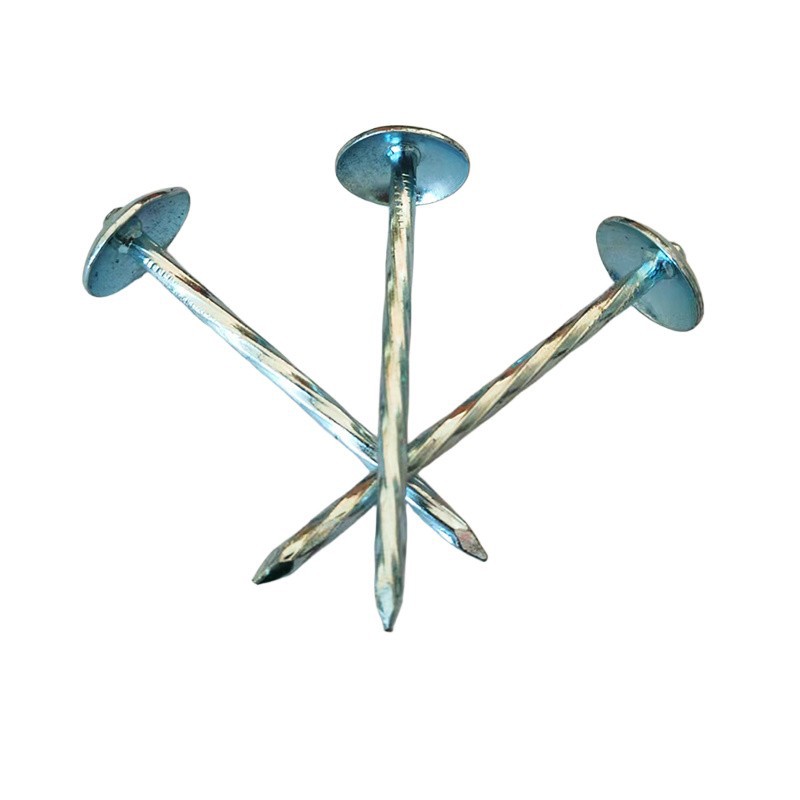
Umbrella roofing nails are designed for roofing applications. They have a wide head that helps them hold down roofing materials. They're not really suitable for sod because their design isn't meant to grip grass and soil.
Wood nails are made for woodworking. They're usually straight and are used to join pieces of wood together. They don't have the U - shape or the right design to hold sod in place.
Coil nails are often used in construction, especially for framing. They come in a coil and are fired from a nail gun. While they're strong, they're not designed for sod. Their shape and size aren't right for the task of holding down grass.
Testing and Certification
Good sod staple suppliers will test their products. They'll test the strength of the staples by applying pressure to see how much they can withstand before bending or breaking. They'll also test the corrosion resistance by exposing the staples to a moist environment for a certain period.
Some suppliers might have their products certified. Certification means that an independent organization has tested the staples and verified that they meet certain quality standards. When you're buying sod staples, it's a good idea to look for products with some kind of certification. It gives you peace of mind that you're getting a quality product.
Why Choose Our Sod Staples
As a supplier, I can tell you that our sod staples meet all these quality standards. We use high - grade galvanized steel to make sure our staples are rust - resistant. Our manufacturing process is precise, so you get staples with consistent bends and sharp ends.
We've done a lot of testing on our staples. We know they're strong enough to hold down sod in different types of soil, whether it's sandy, clayey, or loamy. And we're always looking for ways to improve our products.
If you're in the market for sod staples, you don't want to skimp on quality. Poor - quality staples can lead to a lot of headaches down the road. You'll end up having to replace them, and your sod might not take root properly.

Contact for Purchase
If you're interested in our sod staples, we'd love to have a chat with you. Whether you're a homeowner looking to lay new sod in your backyard or a contractor working on a big landscaping project, we can provide you with the right quantity and quality of sod staples. Just reach out to us, and we can discuss your needs and get you the best deal.
References
- General knowledge about construction and landscaping materials.
- Industry standards for metal fasteners.