


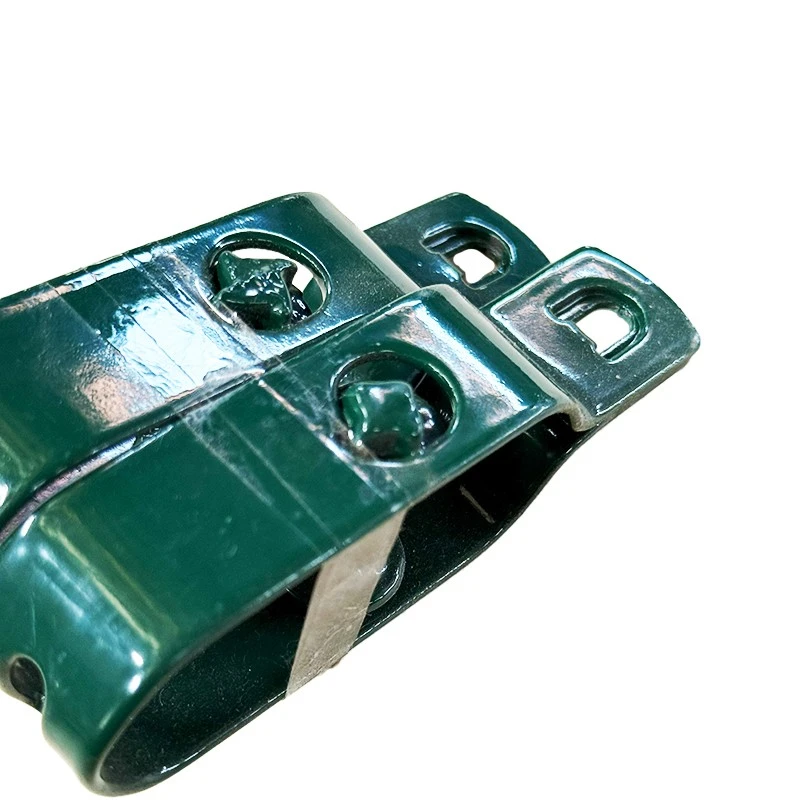

Huanghua Jinhe Hardware Products Co., Ltd. is one of the most professional manufacturers and suppliers of wire strainer in China, also supports customized service. Welcome to buy cheap wire strainer made in China here and get free sample from our factory. Quality products and low price are available.
Description
In farm and ranch wire‑fence construction and renovation, wire creep and slack are common practical troubles. Under the combined influence of temperature fluctuation, livestock impact and long‑term static load, metal fence wire will gradually elongate and lose tension. Loose wire causes fence sagging, increasing the risk of livestock escaping. Re‑tensioning work is frequently required in the later‑period. Traditional fastening solutions such as simple knots and ordinary clips cannot realize convenient fine‑tuning after installation. Re‑working means cutting and re‑tying the wire, which wastes plenty of labour‑hours
Slot‑toothed‑roller wire strainer solves above‑mentioned pain‑points. Manufactured from stainless‑steel or hot‑dip‑galvanized metal, it owns anti‑rust and durable properties. Equipped with handle, wire‑passing entry‑exit holes and internal toothed‑roller / friction‑groove structure. After correct threading procedure, operators pull wire outward to build target tension. Internal tooth‑roller friction surface bites steel wire tightly and triggers automatic self‑locking to prevent reverse slipping. When environmental factors lead to wire stretching‑relaxation later, users can loosen slightly and re‑tighten to finish fine‑tuning without cutting the original fence wire
Product Material
Main body: Two alternatives: hot‑dip‑galvanized carbon‑steel or stainless‑steel, anti‑rust for long‑term open‑air ranch environment
01
Core functional parts: Internal toothed‑roller / friction‑groove components, provide bite‑force for self‑locking anti‑slip performance
02
Auxiliary structure: Operating handle, wire‑passing entry‑exit holes for wire threading.
03
Field‑tool reference: Fencing pliers for firm wrapping of surplus wire‑ends
04
Production Process
Raw‑material incoming inspection →
metal stamping & punching for housing, handle and wire‑passing holes →
machining of internal toothed‑roller friction parts →
surface anti‑corrosion treatment (hot‑dip galvanizing / stainless‑steel polishing) →
component assembling →
simulated tension anti‑slip test → self‑locking‑function verification →
packing together with printed operation‑&‑check‑guide
Anti‑slip tension‑simulation test is critical. Every finished unit must pass anti‑slippage assessment under rated working‑tension, avoiding fence‑wire slipping failure on real‑site ranc
Core Specification Parameters
Material options: Hot‑dip‑galvanized carbon‑steel / stainless‑steel for open‑air ranch application
Structural composition: Operating handle, wire‑passing entry‑exit holes, internal toothed‑roller friction self‑locking components
Core‑function: Build controlled tension; automatic self‑locking anti‑slip; allow later fine‑tension‑adjustment for wire creep‑relaxation
Standard workflow:
Pre‑inspection → U‑shape loop threading → tension‑pulling → self‑locking → secure wrapping of surplus wire‑end → post‑installation slippage‑&‑tension check
Typical‑usage: Farm‑ranch wire‑fence new‑construction & repair; connect wire with corner stake, end‑post and anchor‑point
Supply‑form: Single‑hardware unit
Wire‑fence erection, wire connection for corner stake & end‑post
Large‑scale ranch new‑build project
Re‑tension old sagging fence wire
Ranch fence‑renovation & maintenance
Secure fence‑wire to various ground anchor‑components
Farm anchor‑point connection
Buyer FAQ
Why we need to wrap surplus wire‑end firmly after self‑locking?
Self‑locking tooth‑roller undertakes temporary tension‑holding task. Secure wire‑end wrapping transfers long‑term load‑stress onto main fence‑wire, lowering continuous load borne by internal self‑locking components and extending service‑life
How to realize fine‑tension‑adjustment when fence‑wire becomes slack later?
Slightly release tension of wire strainer, pull wire‑end again to reach target tension value, then let tooth‑roller re‑bite wire and self‑lock. No need to cut original fence‑wire
What risk if we skip pre‑use inspection before installation?
If strainer suffers deformation or tooth‑groove blocked by dirt, self‑locking bite‑force will drop, triggering unexpected wire‑slippage and fence‑failure. Pre‑inspection eliminates such hidden‑trouble
What material suggestion for high‑humidity or coastal ranch?
Stainless‑steel variant is recommended. Hot‑dip‑galvanized carbon‑steel is fit for general‑inland ranch with moderate corrosive condition
Photos


Hot Tags: wire strainer, China wire strainer manufacturers, suppliers, factory, Wire Tightener, Wire Strainer, other hardware, Wire Tensioner


