

Maintaining lost head nails is a crucial aspect of ensuring their longevity and performance, especially when you're a supplier like me. Lost head nails are widely used in various construction and woodworking projects due to their unique design that allows for a flush finish. In this blog, I'll share some effective ways to maintain lost head nails to meet the high - quality expectations of our customers.
Understanding the Basics of Lost Head Nails
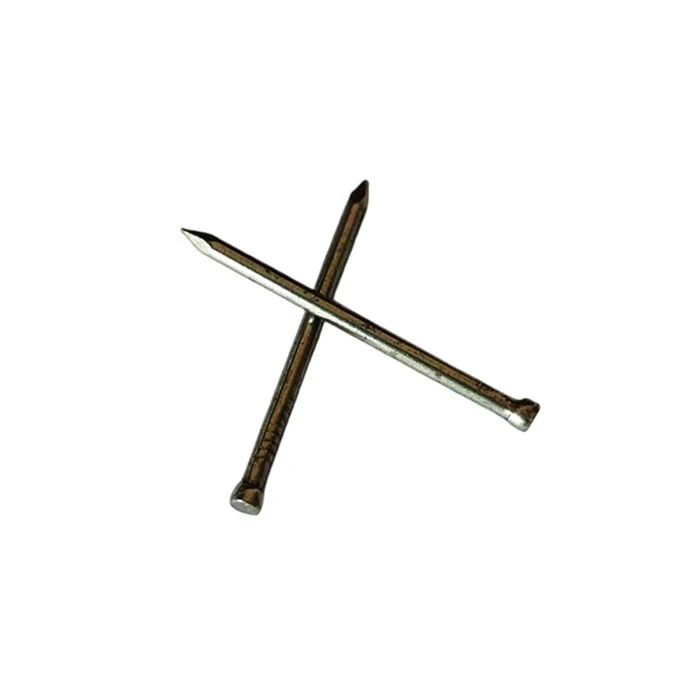
Before diving into maintenance, it's important to understand what lost head nails are. Lost head nails, also known as finish nails, have a small head that is designed to be countersunk into the material. This results in a smooth surface after the nail is driven in, which is ideal for applications where appearance matters, such as furniture making, cabinetry, and trim work.
The materials used to make lost head nails can vary, including steel, iron, and sometimes even aluminum. Each material has its own properties and maintenance requirements. For example, iron nails are strong but prone to rusting, while steel nails offer a good balance of strength and corrosion resistance.
Cleaning and Storage
One of the first steps in maintaining lost head nails is proper cleaning and storage. When nails are exposed to dirt, dust, and moisture during transportation or storage, they can start to corrode or become damaged.
Cleaning: After receiving a batch of lost head nails, it's a good practice to inspect them for any visible dirt or debris. If necessary, you can use a soft brush to gently remove loose particles. For more stubborn dirt, a mild solvent can be used, but make sure to dry the nails thoroughly afterward to prevent rusting.
Storage: Store lost head nails in a dry and cool environment. A sealed container or a storage cabinet can help protect them from moisture. You can also add desiccant packets to the storage area to absorb any excess humidity. If possible, store different types and sizes of nails separately to avoid confusion and damage. For instance, keep Iron Brad Nails in a separate container from larger lost head nails used for structural work.
Preventing Corrosion
Corrosion is one of the biggest enemies of lost head nails, especially those made of iron or steel. Here are some ways to prevent corrosion:
Galvanization: Many lost head nails are galvanized, which means they have a protective zinc coating. This coating acts as a barrier between the metal and the environment, preventing rust from forming. When purchasing nails, make sure to choose galvanized ones, such as Galvanized Roofing Nails, which are specifically designed to resist corrosion in outdoor applications.
Coating Application: In addition to galvanization, you can apply a protective coating to the nails. There are various types of coatings available, such as paint or wax. These coatings can provide an extra layer of protection against moisture and oxidation. However, make sure the coating is compatible with the material of the nail and the intended application.
Avoiding Contact with Corrosive Substances: Keep the nails away from chemicals and substances that can cause corrosion, such as acids, alkalis, and saltwater. If the nails are used in an environment where they may come into contact with these substances, consider using nails made of more corrosion - resistant materials or applying a more heavy - duty protective coating.
Quality Control and Inspection
As a supplier, quality control and inspection are essential for maintaining the integrity of lost head nails. Regularly inspect the nails for any signs of damage, such as bent or broken shafts, deformed heads, or cracks.
Visual Inspection: Conduct a visual inspection of the nails before shipping them to customers. Look for any obvious defects, such as rust spots, scratches, or uneven surfaces. If you find any defective nails, remove them from the batch to ensure that only high - quality products are delivered to customers.
Testing: In addition to visual inspection, you can also perform some basic tests on the nails. For example, you can test the strength of the nails by driving them into a sample piece of wood and checking if they hold securely. You can also test the corrosion resistance of the nails by exposing them to a controlled environment with a certain level of humidity and monitoring for any signs of rusting over time.
Handling and Transportation
Proper handling and transportation are also important for maintaining the quality of lost head nails.
Handling: When handling the nails, use appropriate tools and techniques to avoid damaging them. For example, use a nail gun or a hammer that is suitable for the size and type of nails. Avoid dropping or mishandling the nails, as this can cause them to bend or break.
Transportation: During transportation, protect the nails from impact and vibration. Use sturdy packaging materials, such as cardboard boxes or plastic containers, to prevent the nails from moving around and getting damaged. If possible, stack the packages carefully to avoid crushing the nails at the bottom.
Customer Education
Another important aspect of maintaining lost head nails is educating customers on how to use and store them properly. Provide your customers with clear instructions on the correct way to drive the nails, the appropriate applications, and the best practices for storage and maintenance.
Instruction Manuals: Include an instruction manual with each batch of nails you sell. The manual should cover topics such as nail selection, driving techniques, and maintenance tips. Make the instructions easy to understand and follow, even for customers who are not experienced in construction or woodworking.
Customer Support: Offer customer support to answer any questions or concerns that your customers may have. This can help ensure that the nails are used and maintained correctly, which in turn can lead to higher customer satisfaction and repeat business.

Conclusion
Maintaining lost head nails is a multi - faceted process that involves cleaning, storage, corrosion prevention, quality control, handling, and customer education. By following these best practices, you can ensure that the lost head nails you supply are of high quality and will perform well in various applications.
If you're interested in purchasing high - quality lost head nails or have any questions about our products, please feel free to reach out. We're always ready to discuss your specific needs and provide the best solutions for your projects.
References
- Smith, John. "Construction Nails: Types and Maintenance." Construction Journal, 20XX.
- Brown, Sarah. "Corrosion Prevention in Metal Fasteners." Materials Science Review, 20XX.
- Johnson, David. "Best Practices for Handling and Storing Nails." Woodworking Magazine, 20XX.